Atlanta Electrical Services
Atlanta averages about 50 thunderstorm days per year. That's 50 chances for a power surge to fry your TV, kill your refrigerator's control board, or brick your HVAC system. And lightning isn't even the main culprit. Most surges come from the power grid itself -- utility switching, downed lines, and load changes that send voltage spikes through your wiring dozens of times a month without you ever knowing.
A whole-home surge protector mounts directly to your electrical panel and intercepts voltage spikes before they reach a single outlet. It protects everything. Your $3,000 refrigerator. Your HVAC system. Your home office setup. The smart home devices. All of it. Power strip surge protectors only cover what's plugged into them, and they can't protect hardwired appliances at all.
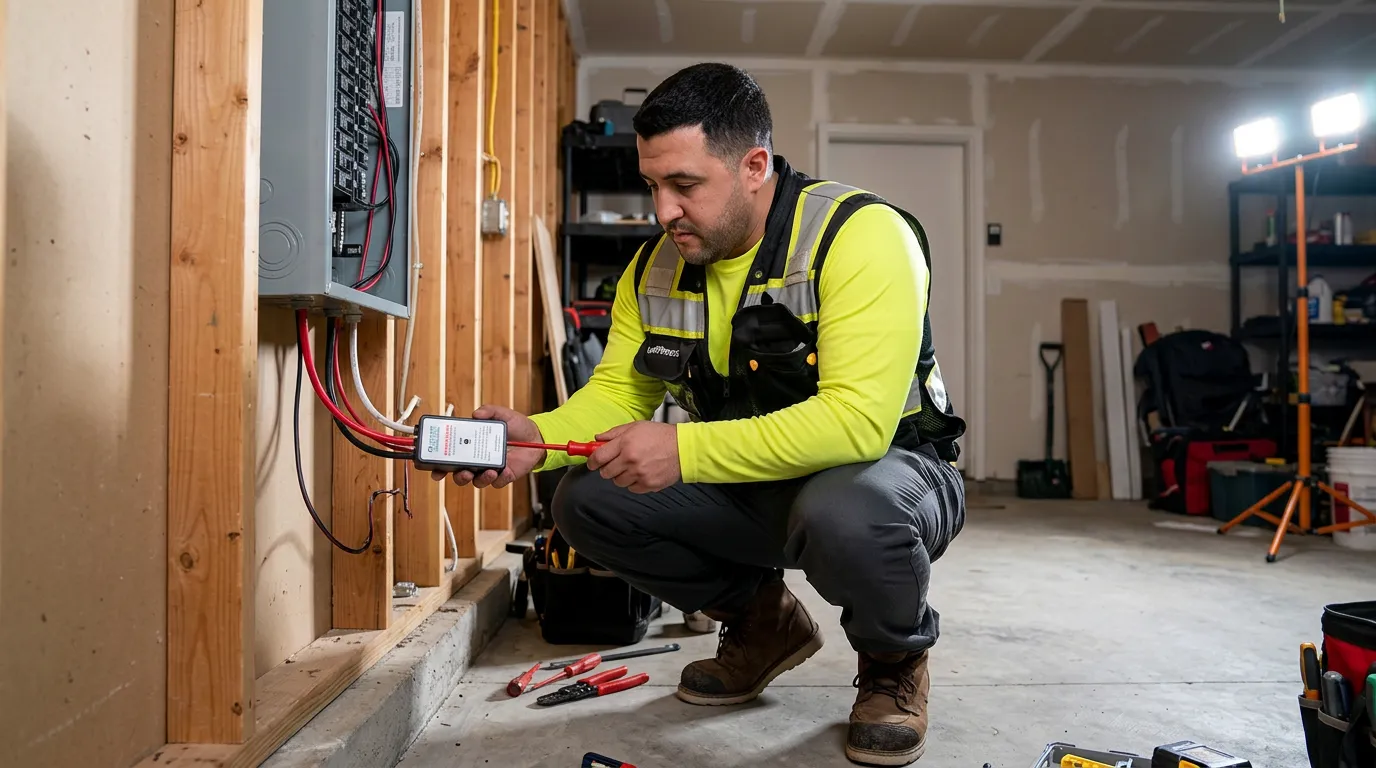
JD Works Electrical installs whole-home surge protection across metro Atlanta. Jordan Jones selects the right device for your panel, installs it to manufacturer specs, and tests it to confirm active protection. The install takes about an hour. The protection lasts for years. It's one of the simplest, most cost-effective things you can do to protect your home's electrical equipment.
Why It Matters
Metro Atlanta sits in one of the most lightning-active regions in the country. Each storm season brings dozens of opportunities for power surges to enter your home through the utility lines.
Smart TVs, gaming consoles, computers, smart home hubs. The average Atlanta household has $5,000 to $15,000 in electronics that are all vulnerable to even a minor voltage spike.
Your AC unit has sensitive electronic control boards that can be destroyed by a single surge. Replacing an HVAC control board runs $500 to $1,500. Surge protection costs a fraction of that.
You don't need a lightning strike to get a surge. Utility load switching, transformer issues, and even your neighbor's AC kicking on can create small surges that degrade electronics over time.
Our Process
Step 01
We check your electrical panel's make, model, and available breaker slots. Some panels need a specific type of surge protector. We also evaluate your grounding system since proper grounding is essential for surge protection to work.
Step 02
We mount the surge protection device at your panel, connect it to a dedicated breaker, and verify the wiring is tight and correct. The whole install takes about an hour with the power briefly off.
Step 03
We power everything back on, verify the indicator lights show active protection, and test the device. You get a walkthrough of the status lights so you'll always know if protection is active.
Common Questions
A whole-home surge protector installs at your main electrical panel and acts as a gatekeeper. When a voltage spike enters your home through the power lines, the device detects the excess voltage and diverts it safely to ground before it reaches your circuits. It protects every outlet, appliance, and device in your home simultaneously. Think of it as a bouncer for your electrical system.
A quality whole-home surge protector plus professional installation typically costs between $300 and $600. That's a one-time investment to protect thousands of dollars worth of electronics, appliances, and HVAC equipment. Compare that to replacing a fried refrigerator or HVAC control board and the math is straightforward.
Power strip surge protectors only protect devices plugged directly into them. They can't protect hardwired appliances like your HVAC system, water heater, refrigerator, or garage door opener. Whole-home protection covers every circuit in your house from the panel. For best results, we recommend both: whole-home at the panel plus point-of-use strips for sensitive electronics like computers and home theater systems.
It protects against surges caused by nearby lightning strikes that enter through power lines. A direct hit to your home is a different situation. No surge protector can fully absorb a direct lightning strike. But direct hits are rare. The more common threat is surges from nearby strikes and grid switching, and whole-home protection handles those effectively. Atlanta sees around 50 thunderstorm days per year, so this protection matters here more than most places.
Most quality whole-home surge protectors last 3 to 5 years under normal conditions. Heavy surge activity, like frequent storms or grid instability, can shorten that lifespan. Many units include indicator lights that tell you when protection is active and when the device needs replacement. We install units with clear status indicators so you always know where you stand.
Some insurance providers offer discounts for whole-home surge protection since it reduces the risk of appliance and electronics damage claims. It's worth calling your provider to ask. Even without a discount, surge protection pays for itself the first time it prevents a major appliance failure.
More Services
Hardwired, interconnected smoke and carbon monoxide detector systems installed to current code.
Learn MoreGFCI outlets, USB outlets, dimmer switches, and 240V circuits installed to code.
Learn MoreRecessed lights, LED upgrades, dimmer switches, and custom lighting design for any room.
Learn MoreWhat Our Customers Say
"After losing power three times last storm season, we finally invested in a commercial kitchen equipment circuit. Jordan handled everything — the gas line coordination, the transfer switch, the permit. We barely noticed the last outage."
Robert K.
Homeowner — Marietta, GA