Atlanta Electrical Services
Most homeowners don't think about their electrical system until something goes wrong. A breaker trips. An outlet stops working. Or worse — there's a burning smell behind a wall plate. By that point, you're in reactive mode. An electrical inspection puts you ahead of the problem instead of behind it.
I'm Jordan Jones, master electrician and owner of JD Works Electrical. I've inspected hundreds of homes across Metro Atlanta — from 1950s bungalows in East Atlanta Village to new construction in Alpharetta. Over 15 years of doing this, I've found aluminum wiring hidden behind sheetrock, double-tapped breakers in brand-new panels, and Federal Pacific boxes that should've been replaced 20 years ago. The point is: you don't know what you don't know until someone opens the panel and looks.
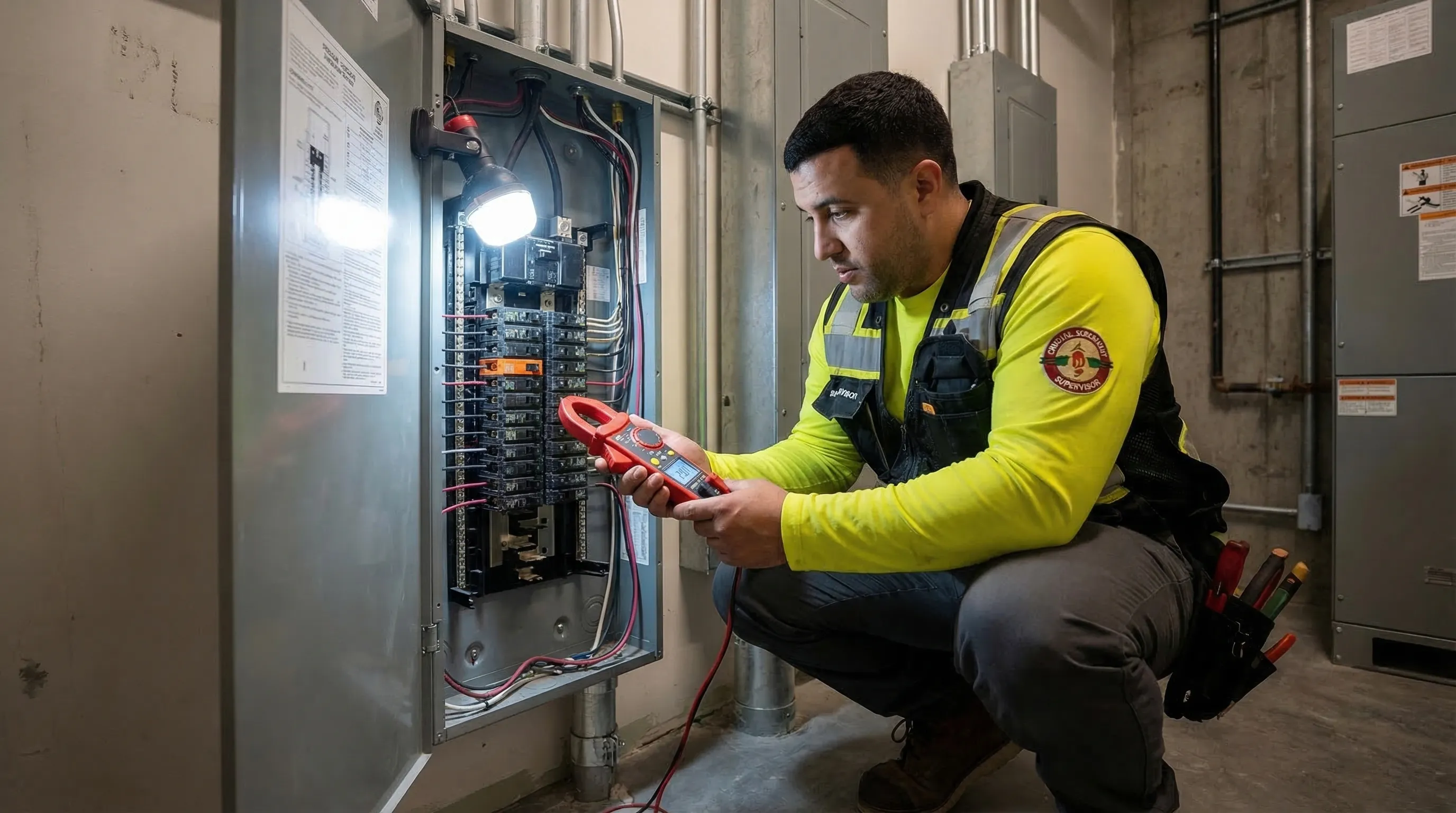
Our inspection covers every accessible part of your electrical system — panel, wiring, grounding, outlets, switches, GFCI/AFCI protection, and smoke detector placement. You get a written report with photos and a prioritized list of what needs attention now, what can wait, and what's fine. We're licensed and insured, and every inspection follows current NEC standards and Georgia state electrical code.
When You Need One
A general home inspector checks outlets and the panel cover. We open the panel, test circuits, and identify problems like aluminum wiring, undersized conductors, and missing arc-fault protection. For buyers, it's leverage. For sellers, it's transparency that keeps deals from falling apart.
Homes built before 1980 in the Atlanta area often have outdated panels, ungrounded outlets, aluminum branch wiring, or cloth-insulated conductors. These aren't just code violations — they're fire risks. An inspection tells you what's original, what's been modified, and what needs to go.
Adding a room, finishing a basement, or remodeling a kitchen? You need to know if your panel can handle the added load and if the existing wiring in the area is safe to build around. An inspection before demo starts saves you from expensive surprises mid-project.
Some insurance companies require an electrical inspection for older homes or properties with known issues like aluminum wiring or Federal Pacific panels. We provide the documentation they need. And if you've noticed flickering lights, warm outlets, or tripping breakers, an inspection finds the root cause.
Electrical codes change. Connections loosen. Breakers wear out. If it's been a decade or more since anyone looked inside your panel, it's time. Think of it like a physical for your house — routine, preventive, and a lot cheaper than an emergency call.
Our Process
Step 01
We open every panel in the house, check breaker connections, look for signs of overheating or corrosion, verify proper grounding and bonding, and confirm the panel brand isn't on any recall or safety watch list.
Step 02
We test every accessible outlet, switch, and fixture. We check for proper polarity, grounding, GFCI protection in wet areas, AFCI protection in bedrooms, and any visible wiring issues in the attic, basement, crawlspace, and garage.
Step 03
You get a detailed report with photos of every finding, categorized by urgency: safety hazards, code violations, and recommended improvements. We walk you through the report and answer every question before we leave.
Common Questions
Get an inspection before buying a home, after purchasing an older home (especially pre-1980), before a major renovation, if you're experiencing frequent breaker trips or flickering lights, when your insurance company requests one, or if your home hasn't had an electrical review in 10+ years. Homes in the Atlanta area built in the 1960s-70s are especially important to check — that's the era of aluminum wiring and undersized panels.
We inspect your electrical panel (breaker condition, bus bar connections, proper labeling, signs of overheating), all visible wiring (type, condition, proper support), grounding and bonding, GFCI and AFCI protection, outlet and switch condition, smoke detector placement and wiring, outdoor electrical (weatherproofing, burial depth), and overall code compliance against current NEC standards. You get a written report with photos documenting every finding.
A standard home electrical inspection in the Atlanta area runs $200 to $400 for a typical single-family home. Larger homes, multi-unit properties, or commercial buildings cost more based on square footage and panel count. The inspection includes a detailed written report with photos and prioritized recommendations. Considering the cost of an electrical fire or a failed insurance audit, it's money well spent.
Most residential inspections take 2 to 3 hours for a standard single-family home. A small condo or townhouse might take 90 minutes. A larger home with multiple panels, a detached garage, or a pool house takes closer to 4 hours. We don't rush it — every panel, outlet, and visible wire run gets checked. The written report with photos is typically delivered within 24 to 48 hours.
Georgia doesn't legally require a seller's electrical inspection, but it's smart to get one. Buyers will likely hire their own inspector, and surprises kill deals. A pre-listing inspection lets you fix issues on your own terms and timeline instead of scrambling during negotiations. It also shows buyers you've maintained the property. If your home has aluminum wiring, a Federal Pacific or Zinsco panel, or any known electrical issues, a pre-sale inspection is practically mandatory.
Not exactly. A code compliance check is done by a city or county inspector and is typically required after new work is permitted. Our inspection is a private, voluntary assessment that covers everything a code check would plus more — we also evaluate safety concerns, wear and aging, and practical improvements that aren't strictly code issues. Think of it as the difference between passing a driving test and having a mechanic check your car.
Related Services
If your inspection reveals aluminum branch wiring, we can replace it with copper — full rewire or COPALUM pigtailing depending on your situation and budget.
Learn MoreInspections often reveal overloaded circuits that need to be split or upgraded. We install dedicated lines for appliances, HVAC, and home offices.
Learn MoreOnce you know your wiring is solid, it's a great time to add smart switches, thermostats, and automation. We make sure the infrastructure supports it.
Learn MoreWhat Our Customers Say
"Lost power in half the house on a Saturday night. Jordan answered the phone, walked us through some safety checks, and came out first thing Sunday morning. Found a failing breaker and had it replaced in under an hour. Lifesaver."
David & Lisa M.
Homeowners — Tucker, GA